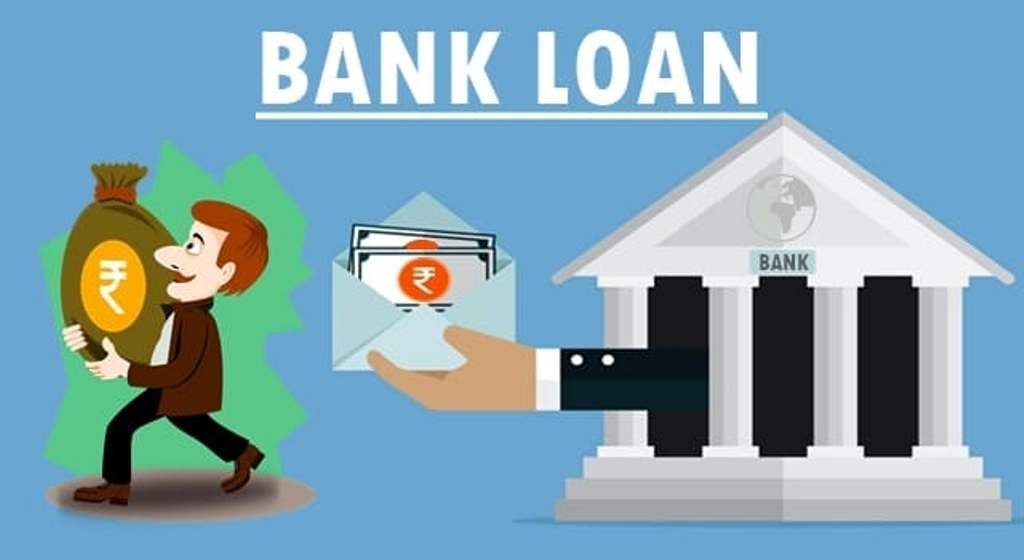
What is a Bank Loan?
A bank loan is borrowed money from a bank that must be repaid with interest. These loans support personal, business, or emergency needs. The terms depend on the borrower’s credit, loan amount, and repayment plan.
Types of Bank Loans
Personal Loans
Personal loans are unsecured and require no collateral. They’re perfect for emergencies, weddings, or travel.
Home Loans
These are long-term loans to buy or renovate a home. Banks usually offer lower interest rates with collateral.
Auto Loans
Used to purchase vehicles, auto loans have fixed terms and interest rates. The car serves as security for the loan.
Business Loans
Business loans fund startups or expansions. You may need a solid business plan and proof of income to qualify.
Key Features of Bank Loans
Fixed or Variable Interest Rates
Fixed rates stay the same throughout the term. Variable rates can change based on market conditions.
Loan Tenure
Loan duration affects your monthly payments. Longer terms reduce EMIs but increase total interest.
Repayment Options
Banks offer EMI-based repayment or flexible plans. Timely payments improve credit scores.
Processing Fees
Banks often charge fees for processing applications. Always compare charges before choosing a loan provider.
Eligibility Criteria
Age Requirement
Most banks require borrowers to be between 21 to 60 years old.
Income Proof
You must provide salary slips, bank statements, or ITR filings to prove repayment ability.
Credit Score
A good credit score (700+) boosts approval chances. It also helps secure better interest rates.
Employment Status
Stable job or business income increases your loan eligibility.
Documents Required
-
Identity Proof (Aadhaar, PAN, Passport)
-
Address Proof (Utility bills, rental agreement)
-
Income Proof (Salary slips, ITR, bank statements)
-
Loan Application Form
Steps to Apply for a Bank Loan
-
Choose the Right Loan Type
-
Compare Interest Rates and Terms
-
Check Eligibility Online
-
Prepare Necessary Documents
-
Submit Application Form
-
Wait for Verification and Approval
-
Sign Agreement and Get Disbursement
Benefits of Bank Loans
-
Structured repayment options
-
Lower interest compared to private lenders
-
Improves credit history with timely payments
-
Offers tax benefits on specific loans like home loans
Tips to Get Loan Approval Fast
-
Maintain a high credit score
-
Avoid multiple loan applications at once
-
Provide complete and accurate documents
-
Choose a realistic loan amount
-
Select a bank with fast processing
Common Mistakes to Avoid
-
Ignoring hidden charges
-
Borrowing beyond repayment capacity
-
Not reading loan terms properly
-
Delaying EMI payments
-
Skipping insurance cover for large loans
Conclusion
Bank loans can offer vital financial support when used wisely. Always evaluate your repayment ability and compare options before applying. With the right planning, you can turn a loan into a powerful financial tool.