Tamil Nadu has long been recognized as a pioneer in social welfare programs, especially when it comes to the well-being of children. In 2025, the state continues to strengthen its focus on education, healthcare, nutrition, and financial protection for young citizens. These schemes are designed not only to reduce the burden on families but also to create equal opportunities for children across rural and urban areas. By understanding the benefits, eligibility requirements, and application procedures of these initiatives, parents and guardians can ensure that their children enjoy a more secure and promising future.
Importance of Child Welfare Schemes in Tamil
Child welfare programs play a crucial role in shaping the future of society. In Tamil Nadu, such schemes are more than just government benefits—they are stepping stones toward social equality. They help bridge the gap for children from underprivileged backgrounds by offering nutritional support, financial aid, and access to quality education and healthcare. With the rise of digital governance, most schemes in 2025 now come with transparent online application processes, making it easier for families to apply and receive benefits on time. This shift not only saves effort but also ensures accountability in how resources are distributed. The importance of these schemes lies in the fact that they provide holistic support, addressing every stage of childhood from nutrition in schools to higher education opportunities.
Puratchi Thalaivar MGR Nutritious Meal Programme
One of the most well-known initiatives in Tamil Nadu is the Puratchi Thalaivar MGR Nutritious Meal Programme, which has been serving school children for decades. The program was initially launched to reduce classroom hunger and school dropouts, and over the years it has transformed into a comprehensive nutrition scheme. In 2025, the program continues to serve lakhs of children in government and aided schools, providing them with fortified rice, fresh vegetables, eggs, and milk. For many children, this daily meal is not only a source of nutrition but also an incentive to stay in school. Families benefit greatly as it reduces the financial stress of providing meals, while students are able to concentrate better on their studies. Enrollment in government or aided schools automatically qualifies children for this program, ensuring that no additional paperwork is required.
Moovalur Ramamirtham Ammaiyar Higher Education Assurance Scheme (Pudhumai Penn Scheme)
The Pudhumai Penn Scheme, officially known as the Moovalur Ramamirtham Ammaiyar Higher Education Assurance Scheme, is a flagship initiative to empower girl students. Launched in 2022 and expanded further in 2025, it offers financial assistance to girls who have completed their schooling in government institutions and wish to pursue higher education. Every eligible student receives a monthly allowance directly into her bank account, giving her financial independence and encouragement to continue studies. This has drastically reduced dropout rates among girls and increased enrollment in colleges and universities across the state. The government has streamlined the application process through online portals, requiring students to submit Aadhaar details, bank account numbers, and educational certificates. Beyond financial aid, the scheme is symbolic of Tamil Nadu’s commitment to gender equality and the empowerment of women through education.
Chief Minister’s Comprehensive Health Insurance Scheme (CMCHIS) for Children
Healthcare is one of the cornerstones of child welfare, and Tamil Nadu’s Chief Minister’s Comprehensive Health Insurance Scheme plays a vital role in safeguarding children’s health. The scheme extends coverage to families with limited incomes, ensuring that children receive free or subsidized medical care for serious illnesses. In 2025, the scheme has expanded its coverage to include advanced treatments for congenital heart conditions, cancer therapies, and other pediatric ailments. With an annual coverage limit that significantly reduces the financial burden of hospital expenses, families are now more confident in seeking timely medical help for their children. Applications can be made easily at e-Sevai centers by submitting the required documents, after which beneficiaries receive health cards for cashless treatments in government and empaneled private hospitals. For many families, this program has been life-changing, ensuring that no child is denied medical care because of poverty.
Cradle Baby Scheme
The Cradle Baby Scheme stands out as a socially transformative program aimed at protecting infants from abandonment or female infanticide. This initiative allows parents who are unable to care for their newborns to safely leave them in specially designated cradle centers set up in government hospitals and welfare homes. In 2025, the scheme continues to run effectively, providing care, protection, and legal adoption opportunities for surrendered children. The presence of such a scheme has helped reduce the tragic incidents of unsafe abandonment while giving infants a chance at a better life. Once the child is placed under state protection, arrangements are made for their well-being until they are placed with suitable adoptive families. By removing the stigma and fear surrounding surrendering infants, the scheme reflects Tamil Nadu’s progressive approach to child welfare and its determination to protect vulnerable lives.
Free Laptop and Educational Aid Scheme
To keep pace with the digital era, the Tamil Nadu government has modernized its Free Laptop and Educational Aid Scheme. Students in Classes 11 and 12 in government schools continue to receive laptops with updated specifications to aid their learning. In 2025, the focus has been on bridging the digital divide between urban and rural students, ensuring that even those from economically weaker backgrounds have access to online education, e-books, and digital tools. By providing this technological support, the scheme helps prepare students for competitive exams, higher studies, and employment opportunities in the future. The distribution process is organized at the school level, meaning students do not have to apply individually. This seamless system ensures that every eligible student gets access to the benefits without additional stress.
Chief Minister’s Girl Child Protection Scheme
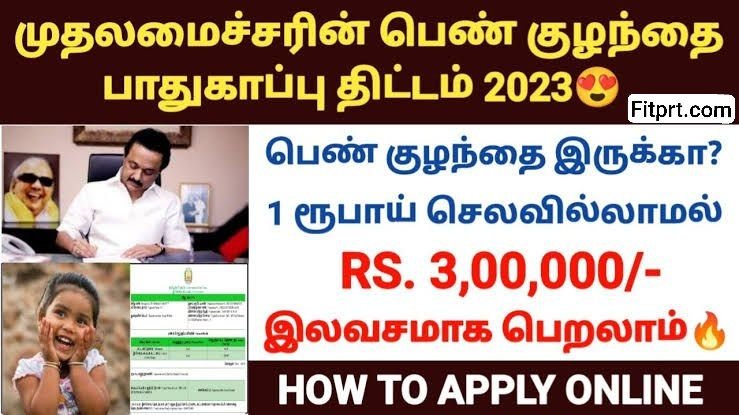
The Girl Child Protection Scheme is another significant welfare initiative that seeks to secure the future of daughters born in low-income households. Under this scheme, the government makes a financial deposit in the name of the girl child, which matures when she turns eighteen. Families that meet the income criteria can register their daughters soon after birth, and the funds are released when the child remains unmarried until adulthood. In 2025, the scheme continues to function effectively, providing thousands of families with a sense of financial relief and assurance about their daughters’ future. It also plays a powerful role in discouraging early marriages, thereby promoting education and personal growth. Parents can register at local Social Welfare Offices by submitting birth certificates, income proof, and other supporting documents.
Scholarship and Educational Loan Support for Children
Alongside state-run initiatives, Tamil Nadu also integrates central government scholarships and educational loan schemes to help children pursue higher education. In 2025, these scholarships have been expanded to include students from marginalized and minority backgrounds, ensuring inclusivity in every sense. The financial support covers tuition fees, examination charges, and sometimes even hostel allowances for students studying in government or recognized institutions. Differently-abled children are also provided with special scholarships to ease their educational journey. Additionally, low-interest educational loans are available to ensure that financial constraints never become a barrier to learning. Most applications can be made through the National Scholarship Portal or the state government’s digital platforms, making the process transparent and efficient.
Conclusion
Tamil Nadu has once again proven in 2025 that child welfare is at the core of its governance. From nutrition programs like the MGR Nutritious Meal Scheme to financial security measures such as the Girl Child Protection Scheme, and from healthcare support through CMCHIS to digital empowerment via free laptops, these initiatives cover almost every aspect of a child’s development. Parents and guardians must stay informed about these opportunities to secure maximum support for their children. With proper utilization of these benefits, families not only ensure a brighter future for their children but also contribute to the overall progress of the state. Tamil Nadu’s commitment to nurturing its younger generation serves as a model for other states in India, highlighting how government schemes can be a true catalyst for social and economic transformation.