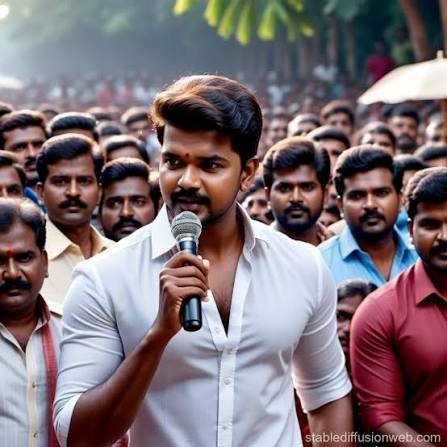
Artificial Intelligence (AI) has transformed nearly every industry, and photo editing is no exception. AI photo editing has become one of the most talked-about trends in digital creativity, helping professionals and casual users alike enhance images with incredible precision and speed. From retouching portraits to generating new visuals entirely, AI offers tools that once required hours of manual editing. In this article, we’ll explore what AI photo editing is, how it works, its benefits, and practical tips to make the most of it. Whether you’re a social media creator, a photographer, or simply someone who enjoys editing images, this guide will show why AI is revolutionizing the world of photo editing.
What Is AI Photo Editing?
AI photo editing refers to the use of artificial intelligence to automate or enhance the process of editing images. Instead of relying solely on manual adjustments like brightness, contrast, or color correction, AI tools can analyze an image, detect objects, and apply enhancements automatically. For example, AI can remove unwanted backgrounds, smooth skin, sharpen details, or even generate new elements in a picture. This technology uses deep learning and computer vision models trained on millions of images to understand how photos should look. By integrating AI into photo editing, platforms like Adobe Photoshop, Canva, Luminar Neo, and PicsArt are enabling users to achieve professional-quality results with minimal effort. This makes AI editing ideal for beginners and time-strapped professionals alike.
Why AI Photo Editing Is Becoming So Popular
The popularity of AI photo editing can be attributed to three main factors: speed, quality, and accessibility. Traditional photo editing often required technical skills, expensive software, and a significant time investment. AI, however, changes the game by automating complex processes. With a few clicks, users can retouch portraits, enhance colors, or remove objects seamlessly. Moreover, AI editing tools are increasingly available as mobile apps, meaning you can edit on the go without a powerful computer. For businesses and content creators, AI photo editing also saves costs by reducing the need for outsourcing to professional designers. The rise of social media has further fueled demand for visually stunning content, and AI makes it easy for anyone to compete at a high level.
Top AI Tools for Photo Editing in 2025
Several AI-powered platforms dominate the photo editing space in 2025. Adobe Photoshop’s Generative Fill allows users to create new elements in an image simply by typing a prompt. Luminar Neo uses AI for sky replacement, portrait retouching, and color grading. Canva integrates background remover and Magic Edit tools for easy content creation. Fotor, PicsArt, and Remini are popular among mobile users for instant retouching and upscaling. For more advanced AI generation, tools like Midjourney and Stable Diffusion can create entirely new visuals from text prompts. Each of these tools leverages AI differently but shares a common goal: to streamline editing and enhance creativity. Choosing the right platform depends on your needs, whether it’s simple edits, professional retouching, or full-scale AI-generated artwork.
How AI Photo Editing Works Behind the Scenes
AI photo editing relies on machine learning algorithms, specifically deep learning models trained on large datasets of images. These models “learn” patterns in lighting, composition, and texture, enabling them to make intelligent editing decisions. For instance, when removing a background, the AI analyzes the subject and the background separately, then creates a clean cut without manual tracing. In portrait retouching, AI detects facial features and adjusts skin tones, highlights, and shadows for a natural finish. Many tools now also offer prompt-based editing, where you describe the changes you want in words, and the AI applies them automatically. This behind-the-scenes technology allows non-experts to perform complex edits while professionals save valuable time.
Creative Uses of AI Photo Editing
AI photo editing opens up endless creative possibilities. You can transform ordinary photos into cinematic shots, create digital art, or even generate entirely new images for branding or marketing campaigns. For social media, AI can instantly produce eye-catching thumbnails, banners, and profile pictures. Photographers can use AI to restore old photos, upscale low-resolution images, or experiment with different color palettes and styles. Businesses can use AI-generated visuals for advertising, e-commerce product images, or promotional materials without expensive photo shoots. Even hobbyists can have fun by creating surreal composites or adding imaginative elements to their pictures. With AI, creativity is no longer limited by technical skill.
Tips for Getting the Best Results with AI Photo Editing
While AI photo editing is powerful, your results will improve dramatically if you follow some best practices. First, always start with the highest quality source images you can find, as AI performs better on clear, well-lit photos. Second, experiment with different settings or prompts—don’t rely only on the default options. Third, combine AI editing with manual fine-tuning. Most tools let you tweak the results after the AI makes its changes, giving you more control over the final look. Fourth, stay updated with new AI features and tools; the technology evolves quickly, and learning new capabilities will keep your work fresh. Finally, maintain consistency in style if you’re creating content for branding or social media—AI makes this easier by letting you save presets or styles.
Ethical and Legal Considerations in AI Photo Editing
AI photo editing raises important ethical and legal questions. When editing photos of real people, always ensure you have the necessary permissions, especially for commercial use. Avoid using AI to misrepresent someone or create misleading images. Many AI platforms also have terms of service regarding how generated content can be used, so review these carefully. If you’re using stock images or publicly available photos, check the licensing agreements before editing. Ethical use also means giving credit when appropriate and being transparent about AI-generated or AI-edited content. By following these principles, you protect yourself legally and help maintain trust with your audience.
Prompt
Merge a photo for me with actor vijay placing his hand on my shoulder, both of us looking at the camera, both same height, in a modern same office wall. Keep both faces exactly as they are-do not alter facial features or expressions, just blend the two images naturally for a realistic look. “9.16 ratio
Conclusion: Embracing the Future of AI Photo Editing
AI photo editing is no longer a futuristic concept—it’s a present-day reality reshaping how we create and consume visual content. By combining speed, accessibility, and advanced features, AI tools empower anyone to produce professional-quality images. From casual photo enthusiasts to marketing professionals, the benefits of AI editing are undeniable. However, as with any powerful technology, responsible use and continuous learning are essential. By understanding how AI works, experimenting with creative possibilities, and respecting ethical guidelines, you can fully leverage this revolution in digital creativity. The f
uture of photo editing is here, and it’s powered by